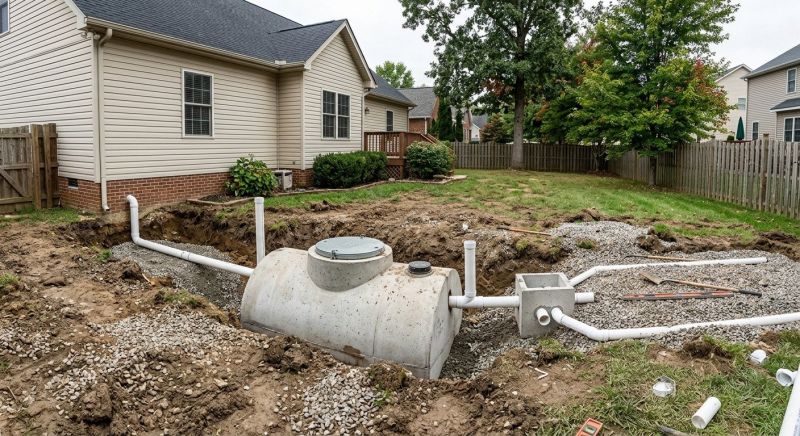
Septic System Relocation in Denver, CO
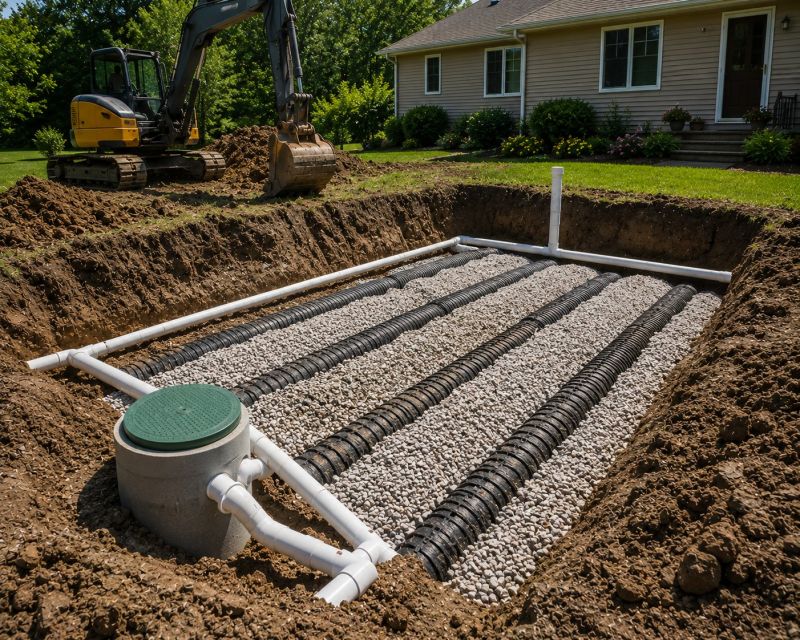
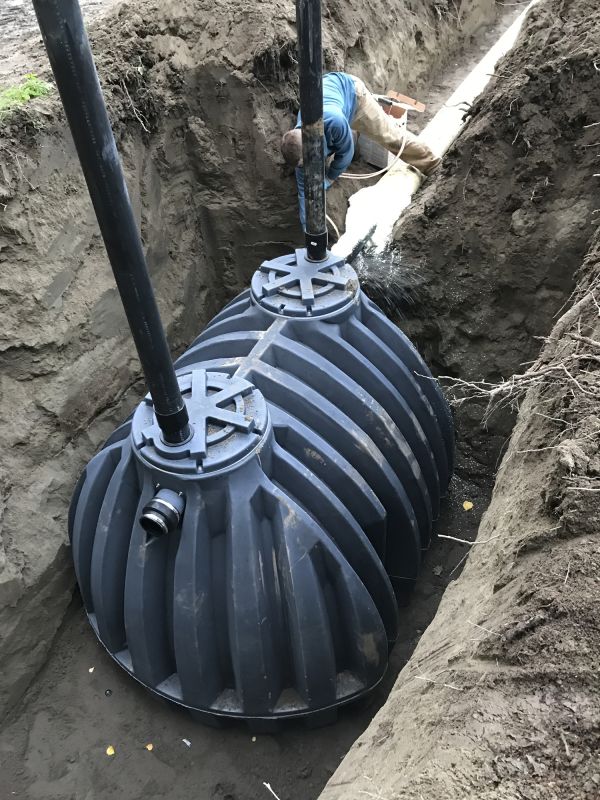
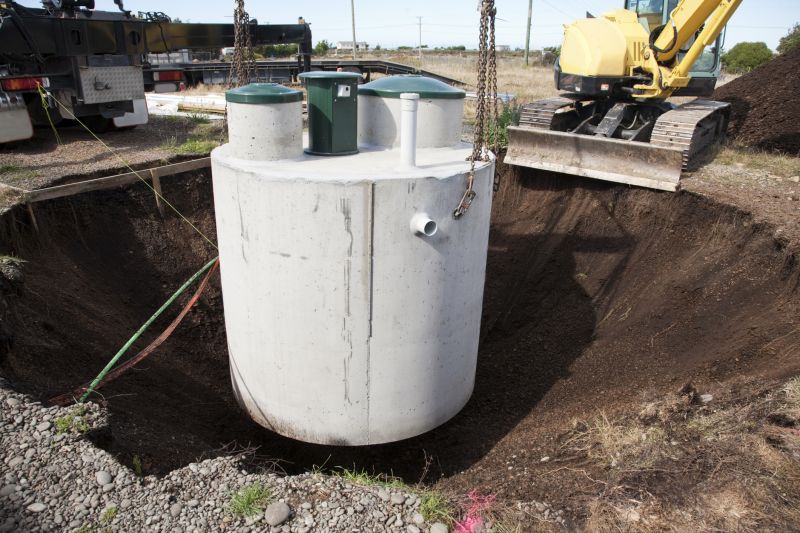
Septic system relocation services involve moving an existing septic system to a new location on a property, often to accommodate construction, landscaping, or property layout changes. These projects typically include assessing the site, designing a suitable new placement, and carefully excavating and installing the system to ensure proper function and compliance with local regulations. Property owners considering a septic system relocation should understand the importance of proper site evaluation, including soil conditions and access, as well as the need for permits and adherence to health and safety standards.
Homeowners planning a septic system move usually want to know about the scope of work involved, potential impacts on property use during the process, and any necessary preparations. It's also helpful to understand the typical steps involved, such as excavation, system disconnection and reconnection, and testing for proper operation after installation. Clarifying these details can help ensure the project proceeds smoothly and meets the property's specific needs.
Many property owners in Denver, CO look into Septic System Relocation for repairs, replacements, upgrades, and appearance-related improvements.
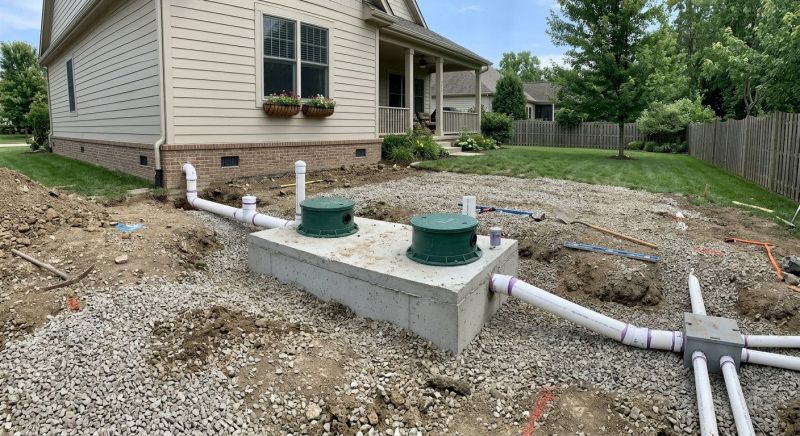
Septic System Relocation Planning
Proper planning ensures the septic system is moved safely and efficiently to a new location on your property.
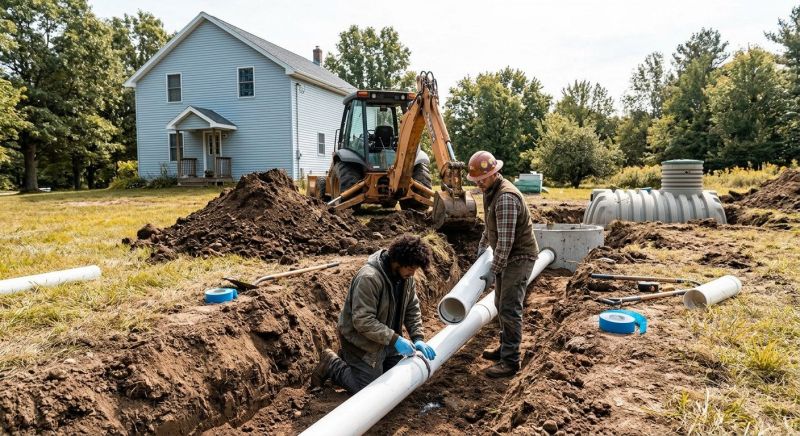
Site Preparation And Installation
The process involves preparing the new site and installing the septic system to meet local codes and standards.
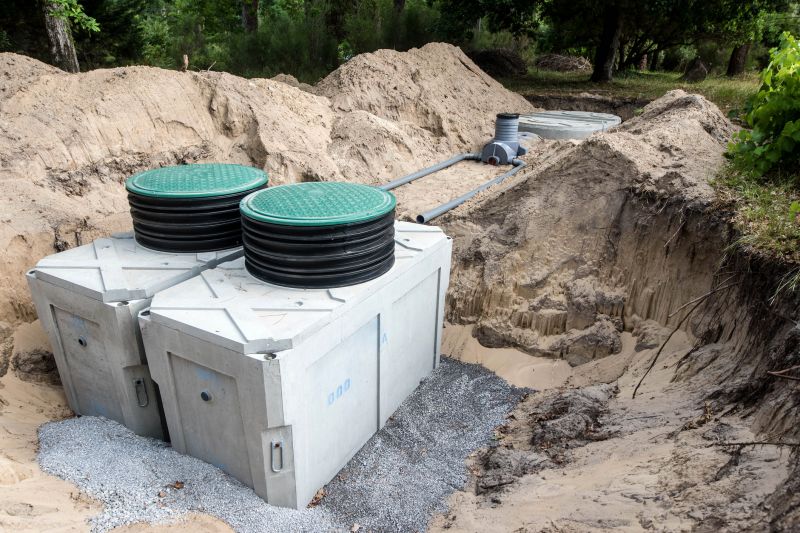
Post-Relocation Maintenance
Ongoing maintenance helps ensure the longevity and proper functioning of the relocated septic system.
Septic System Relocation in Denver, CO

Septic system relocation services involve moving an existing septic system to a new location on a property, often to accommodate construction, landscaping, or property layout changes. These projects typically include assessing the site, designing a suitable new placement, and carefully excavating and installing the system to ensure proper function and compliance with local regulations. Property owners considering a septic system relocation should understand the importance of proper site evaluation, including soil conditions and access, as well as the need for permits and adherence to health and safety standards.
Homeowners planning a septic system move usually want to know about the scope of work involved, potential impacts on property use during the process, and any necessary preparations. It's also helpful to understand the typical steps involved, such as excavation, system disconnection and reconnection, and testing for proper operation after installation. Clarifying these details can help ensure the project proceeds smoothly and meets the property's specific needs.
Many property owners in Denver, CO look into Septic System Relocation for repairs, replacements, upgrades, and appearance-related improvements.
Common Septic System Relocation Jobs
Septic System Relocation - Involves moving an existing septic system to a new location on the property.
Septic System Replacement - Replaces an outdated or damaged system with a modern, efficient setup.
Septic System Expansion - Adds capacity to accommodate property additions or increased usage.
Septic System Site Assessment - Evaluates the best location for relocating a septic system based on property layout.
Septic System Installation - Installs a new septic system in a different area to meet changing property needs.
Septic System Permitting Assistance - Guides property owners through local regulations and permit requirements.
Septic System Relocation Questions
Why would someone need to relocate a septic system? Septic system relocation may be necessary due to property expansion, new construction, or site plan changes that affect the original system placement.
What should property owners consider before relocating a septic system? It is important to assess soil conditions, access points, and distance from wells or structures to ensure proper placement and compliance.
Are there restrictions on where a septic system can be moved? Yes, local regulations typically specify setbacks from property lines, water sources, and buildings that must be maintained during relocation.
What types of projects often involve septic system relocation? Common projects include home additions, driveway expansions, or lot divisions that require adjusting the original septic location.
Request Septic System Relocation in Denver, CO
Use the quote form on this page to share the basics of your project and request more information for the type of work you need.