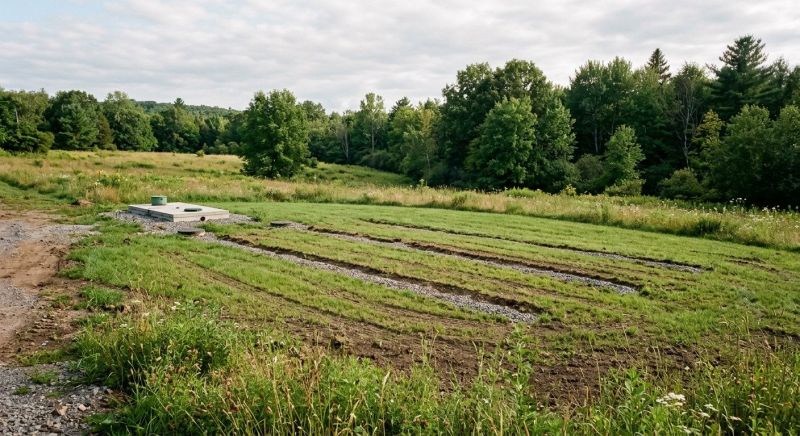
Sewage Field Installation in Denver, CO
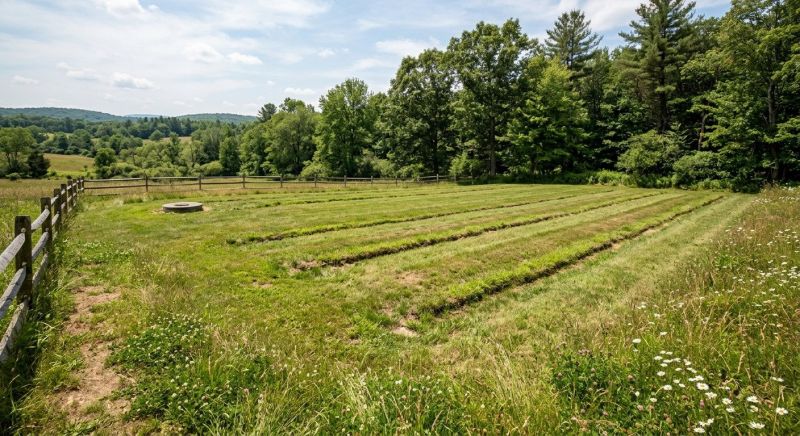
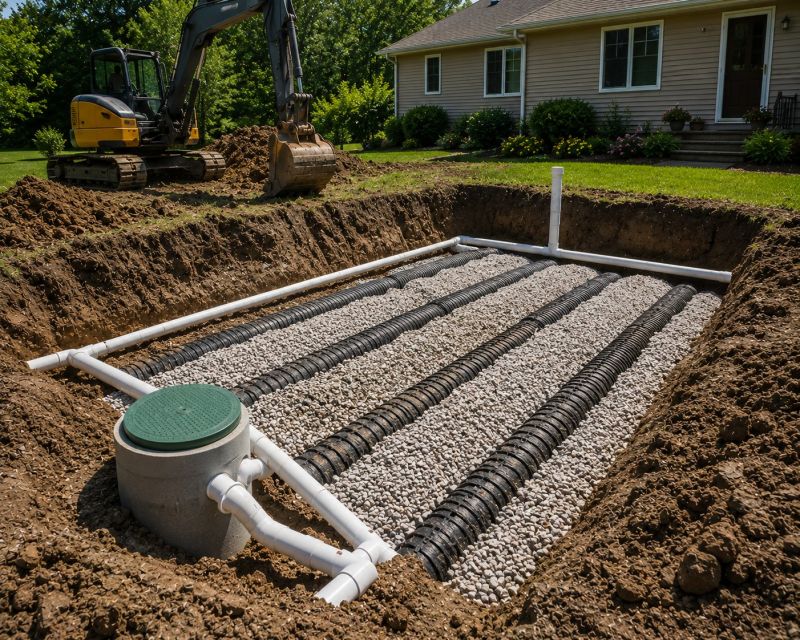
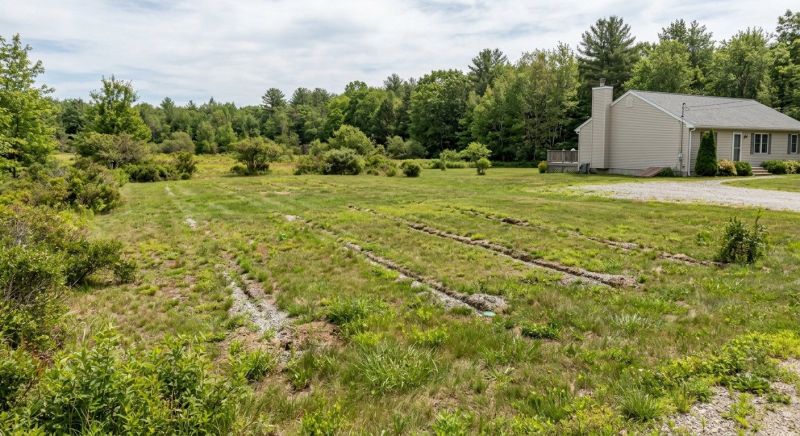
Sewage field installation services involve setting up underground systems that manage wastewater from residential properties. These systems are essential for homes that are not connected to municipal sewer lines, often requiring a septic tank and a network of drain fields to safely treat and disperse wastewater into the ground. Projects can range from installing new systems for newly built homes to replacing or upgrading existing fields that may be failing or no longer meet the property’s needs. Homeowners typically want to understand the size and layout of the drain field, local regulations or permits required, and the impact on their property during installation.
Before requesting sewage field installation, property owners should consider factors such as soil type, property size, and drainage requirements to ensure proper system design. It’s also important to evaluate the location of the system to avoid conflicts with structures, wells, or property lines. Understanding local codes and any necessary permits can help streamline the process, and knowing the maintenance needs of the system can support long-term functionality. Clear communication about these considerations can help ensure the installation aligns with the property's specific needs and complies with relevant regulations.
Many property owners in Denver, CO look into Sewage Field Installation for repairs, replacements, upgrades, and appearance-related improvements.
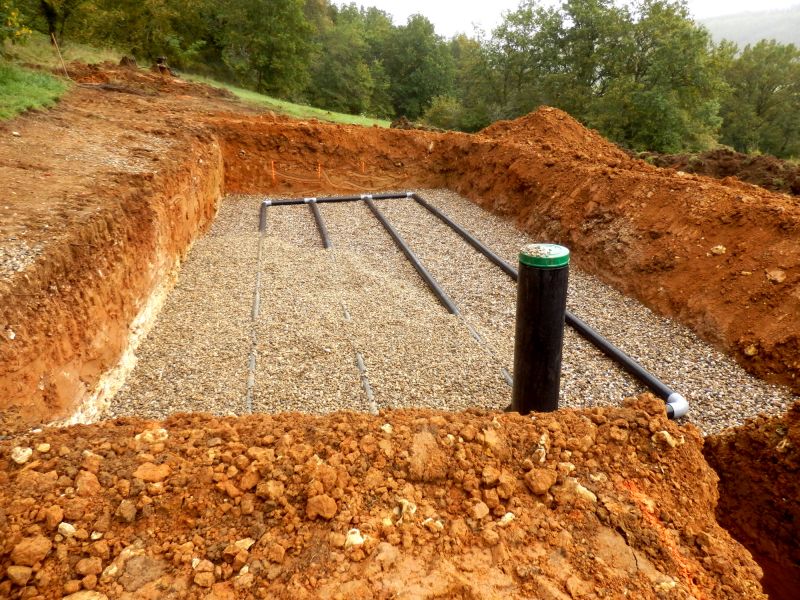
Sewage Field System Design
Proper design ensures efficient and long-lasting sewage field installations for residential and commercial properties.
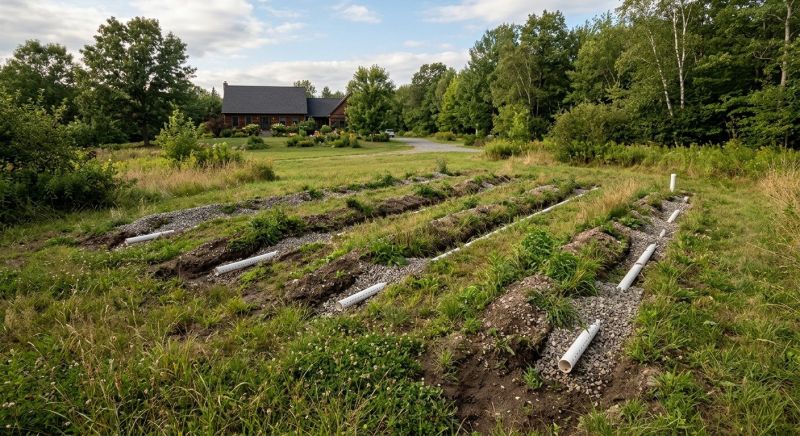
Installation And Setup
Professional installation involves careful excavation, proper placement, and connection to existing sewer systems.
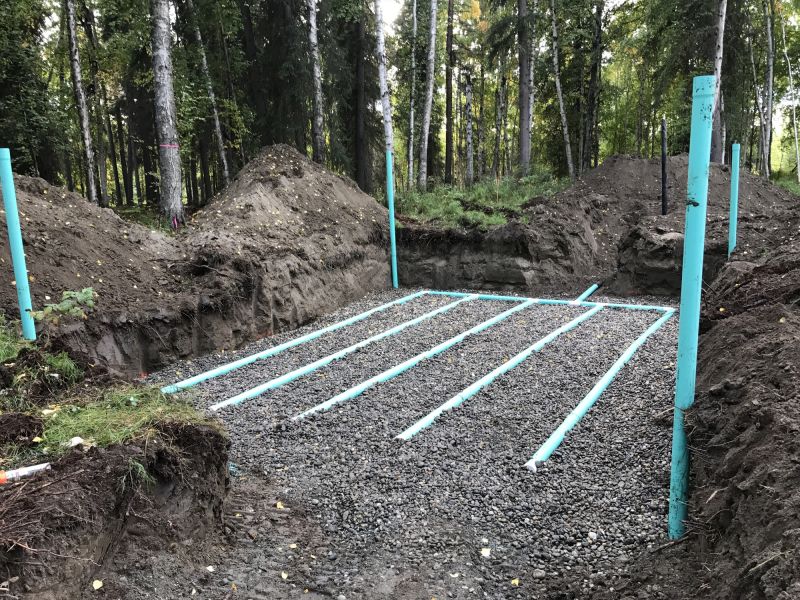
Maintenance And Repairs
Regular inspections and timely repairs help prevent system failures and maintain optimal sewage flow in denver area properties.
Sewage Field Installation in Denver, CO

Sewage field installation services involve setting up underground systems that manage wastewater from residential properties. These systems are essential for homes that are not connected to municipal sewer lines, often requiring a septic tank and a network of drain fields to safely treat and disperse wastewater into the ground. Projects can range from installing new systems for newly built homes to replacing or upgrading existing fields that may be failing or no longer meet the property’s needs. Homeowners typically want to understand the size and layout of the drain field, local regulations or permits required, and the impact on their property during installation.
Before requesting sewage field installation, property owners should consider factors such as soil type, property size, and drainage requirements to ensure proper system design. It’s also important to evaluate the location of the system to avoid conflicts with structures, wells, or property lines. Understanding local codes and any necessary permits can help streamline the process, and knowing the maintenance needs of the system can support long-term functionality. Clear communication about these considerations can help ensure the installation aligns with the property's specific needs and complies with relevant regulations.
Many property owners in Denver, CO look into Sewage Field Installation for repairs, replacements, upgrades, and appearance-related improvements.
Common Sewage Field Installation Jobs
Sewage Field Installation - Involves setting up new underground systems to manage household waste.
Sewage Field Replacement - Replacing outdated or failing systems to ensure proper waste disposal.
Sewage Field Repair - Fixing leaks, clogs, or damage to existing sewage fields.
Sewage Field Expansion - Extending current systems to accommodate property additions or increased use.
Sewage Field Inspection - Assessing the condition of sewage systems to identify issues early.
Sewage Field Maintenance - Performing routine checks and upkeep to prevent system failures.
Sewage Field Installation Questions
What is sewage field installation? Sewage field installation involves setting up a system to treat and disperse wastewater from a property, ensuring proper drainage and environmental safety.
What types of properties need sewage field installation? Properties without access to municipal sewer lines, such as rural homes or new developments, often require sewage field systems.
What should property owners consider before installation? It’s important to evaluate soil conditions, property size, and local regulations to ensure proper system placement and function.
How does the installation process work? The process typically includes site assessment, system design, excavation, and placement of components to create an effective sewage dispersal system.
Request Sewage Field Installation in Denver, CO
Use the quote form on this page to share the basics of your project and request more information for the type of work you need.